
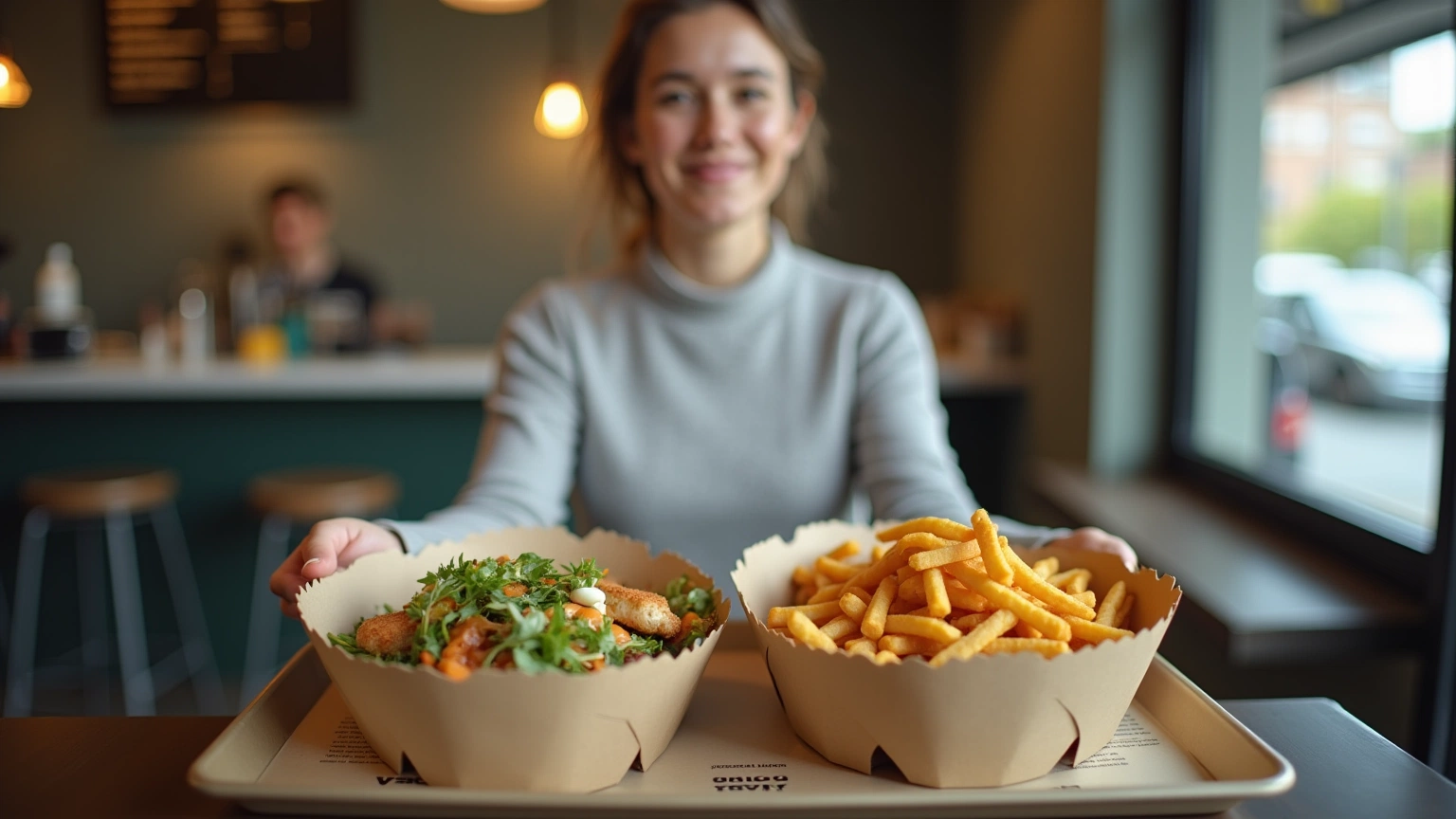
Healthiest Fast Food Options: How to Order Simpler Meals
Fast-food menus feel confusing when you are hungry, rushed, and trying to make one decent decision. Most people searching for the healthiest fast food options are not looking for perfection. They want a practical way to order something simpler, lighter, and less sauce-heavy without reading every nutrition panel.
The fastest way to do that is to build the meal in a consistent order: main -> produce -> side -> drink. Start with a clear protein or bean-based main, add vegetables or fruit when you can, keep sauces and fried extras under control, and make the drink a simple choice.
This guide is general, practical information only. For allergies, medical needs, or exact nutrition details, use the restaurant’s official menu and allergen information.
What the healthiest fast food options usually have in common
In real fast-food menus, the healthiest option is usually not the item with the best marketing. It is the order that keeps the structure simple and the extras moderate.
Prioritize a clear main plus produce
The best fast food choices usually start with:
- A straightforward protein: chicken, eggs, fish, lean beef, tofu, beans
- A visible produce component: salad, fruit, vegetables, salsa, veggie toppings
That combination tends to be easier to keep balanced than a meal built around fried sides, sweet drinks, and rich sauces.
The biggest “got heavy fast” factors are predictable
Most fast-food meals become less balanced for the same reasons:
- Fried coatings
- Creamy sauces and dressings
- Double cheese or “loaded” toppings
- Sugary drinks
- Upsized portions
You do not need to remove all of them. Changing one or two usually does more than people expect.
A simple order of decisions works better than memorizing menu items
Use this sequence:
- Pick the main.
- Add vegetables or fruit if they are available.
- Choose the side you actually want.
- Keep the drink unsweetened most of the time.
- Control sauce or dressing.
That system works across burger places, coffee chains, sandwich shops, and food-court counters.
A 60-second checklist for healthy fast food
If you do not want to think much, use this quick scan.
Step 1: Choose the main
Look for terms like:
- Grilled
- Roasted
- Baked
- Egg-based
- Beans or bowl
If the menu is mostly fried, choose the least loaded option and keep the rest of the meal simple.
Step 2: Add produce
Easy wins:
- Side salad
- Fruit cup or apple slices
- Extra lettuce, tomato, onion, peppers, salsa, or fajita vegetables
Produce matters because it makes the meal feel more complete without depending on fries or dessert to do the job.
Step 3: Control sauces and extras
The easiest low-stress move is:
- Sauce or dressing on the side
Also watch:
- Mayo-heavy spreads
- Extra cheese
- Bacon
- Crunchy topping blends
Step 4: Pick the side and drink intentionally
Good defaults:
- Fruit
- Side salad
- Beans
- Smaller fries if fries are what you want
- Water, unsweetened tea, or plain coffee
If you keep the drink simple, the whole meal is easier to keep balanced.
Healthiest fast food options by restaurant type
You do not need a different philosophy for every chain. The same pattern works almost everywhere.
Burger places
A single burger with vegetables is often easier to keep balanced than a deluxe burger with several sauces and extras.
Helpful moves:
- Keep it to one patty if that feels like enough
- Skip heavy special sauces or get them on the side
- Pair it with a produce side or smaller fries
If you want a chain-specific example, see healthier McDonald’s options.
Chicken places
The biggest question is usually grilled versus breaded. If grilled is available, it is often the simplest starting point. If it is not, choose a modest portion and keep dipping sauces limited.
Good structure:
- Chicken main
- Produce side
- One sauce or no sauce
- Unsweetened drink
Mexican-style chains
Bowl-style meals are often the easiest to read because the ingredients are visible.
Good defaults:
- Protein
- Beans
- Vegetables
- Salsa
Use queso, sour cream, and chips more intentionally rather than automatically.
Sandwich shops
Sandwich places are usually easiest to improve by loading vegetables and simplifying the sauce.
Helpful moves:
- Choose a leaner protein
- Add lots of vegetables
- Use mustard, vinegar, hot sauce, or a light amount of dressing instead of several creamy spreads
Pizza, Mediterranean, and coffee chains
These menus are different, but the same logic still applies.
- Pizza: thinner crust, more vegetables, regular cheese instead of extra, salad on the side
- Mediterranean: bowl or plate with vegetables, moderate rice or pita, sauce on the side
- Coffee chains: egg-based breakfast item, oatmeal, or yogurt plus fruit instead of a pastry-only breakfast
Healthy fast food breakfast options
Breakfast menus can feel lighter or much heavier depending on the sides and drinks more than the main item itself.
Best quick breakfast orders
Useful breakfast templates:
- Egg sandwich or breakfast bowl + fruit
- Plain oatmeal + nuts or fruit
- Greek-style yogurt + fruit
- Egg bites or an egg wrap + unsweetened coffee or tea
If you want more at-home ideas, see healthy breakfast food options.
Lower-fat and lower-sugar breakfast adjustments
If you are aiming for a lighter breakfast, focus on the usual drivers:
- Skip creamy sauce
- Keep cheese moderate
- Choose plain coffee or unsweetened tea over a dessert-like drink
- Prefer fruit or oatmeal over an extra fried side
Common breakfast traps
These are not forbidden, but they change the meal quickly:
- Oversized pastries
- Syrup-heavy breakfast items
- Sugary coffee drinks
- Parfaits or granola cups that are mostly sweetened toppings
How to compare two menu items quickly
Sometimes you only have the menu name, a calorie number, and 20 seconds.
Use calories as a starting point, not the whole answer
If two items are similar in calories, choose the one with:
- A clearer protein source
- More visible produce
- Fewer creamy sauces or heavy add-ons
- A simpler side and drink setup
Red-flag patterns at similar calories
One item may look similar on paper but be much harder to keep balanced if it includes:
- Fries by default
- A sugary drink in the combo
- Extra sauce
- Double cheese
- Breaded main plus multiple dips
What usually wins
Across many chains, these patterns tend to work well:
- Bowl or salad + protein
- Smaller sandwich + produce side
- Kids meal with protein + fruit + water or milk
“Healthy fast food options near me”: how to search and filter quickly
When you are searching nearby, use terms that pull simpler items to the top.
Search terms that help
Try keywords like:
- Grilled
- Bowl
- Salad
- Protein
- No sauce
- Dressing on the side
- Kids meal
Those searches usually surface clearer, less loaded items faster than generic “healthy” menu pages do.
What to check before you order
A quick scan usually tells you enough:
- Is the main grilled or crispy?
- Do you see actual vegetables or fruit?
- Is the sauce separate or built in?
- Does the meal look manageable without needing three edits?
Helpful ordering scripts
You usually only need one or two:
- “Sauce on the side, please.”
- “Add extra veggies.”
- “Swap fries for fruit or a side salad.”
- “Water or unsweetened tea, please.”
Ready-to-go and delivery meals
Delivery apps and prepared meal counters create the same challenge as fast food: you are choosing from descriptions, not full ingredient panels.
Look for simple meal structure
The easiest meals to judge usually have recognizable parts:
- Protein
- Vegetables
- A starch you can portion
That is usually easier to work with than anything described as loaded, smothered, crispy, creamy, or glazed.
Simple upgrades when portions run large
When the meal arrives:
- Use sauces a little at a time
- Split the meal if it is clearly oversized
- Add a side salad or fruit if the main is short on produce
Eight go-to healthy fast food orders
These are broad templates that work in many places.
Grilled chicken salad
Ask for dressing on the side and use as much as you actually want.
Burrito bowl with beans, vegetables, and salsa
This works because the ingredients are visible and easy to portion.
Egg sandwich or breakfast bowl with fruit
A reliable fast breakfast when you want protein without a dessert-like drink.
Turkey or chicken sandwich with lots of vegetables
Keep the sauce simple and let the vegetables do more of the work.
Single burger with a produce side or smaller fries
A strong option when you want a burger without turning the whole meal into a “loaded” order.
Mediterranean-style bowl with vegetables and sauce on the side
This is often one of the easiest prepared meals to keep balanced.
Thin-crust vegetable pizza with a side salad
A practical way to make pizza night feel less heavy without pretending it is something else.
Yogurt, fruit, and nuts from a cafe or convenience stop
One of the easiest backup meals when the hot food options all feel heavy.
FAQ
What are the healthiest options at fast food restaurants if I want simpler meals?
Look for a meal you can describe clearly: protein plus produce, modest sauce, and a simple drink. That pattern is more useful than chasing a single “perfect” menu item.
Are salads always the healthiest fast food choice?
Not automatically. Salad bases are often light, but dressings, fried toppings, cheese, and sweet add-ons can change the meal quickly. A sandwich or bowl can be just as balanced when the structure is simple.
What is the easiest way to make fast food healthier without changing restaurants?
Start with the drink and the sauce. Water or unsweetened tea plus sauce on the side is one of the simplest changes you can make almost anywhere.
What should I order if everything is fried?
Choose the least loaded main item available, keep dipping sauces limited, add any produce you can get, and make the drink unsweetened. That is usually enough to make the meal feel more manageable.
Conclusion
The healthiest fast food options are usually the meals with the simplest structure, not the most aggressive health marketing. Pick a clear main, add produce, control sauce, and keep the drink straightforward.
Once you have that framework, fast-food decisions get much easier. You do not need a perfect order. You need a repeatable one.
Eat cleaner without decoding every label.
Scan an ingredient label, see what stands out, and make the clean eating call in seconds.