Ingredient Label Scanner vs Reading Labels Yourself: Which Is Better?
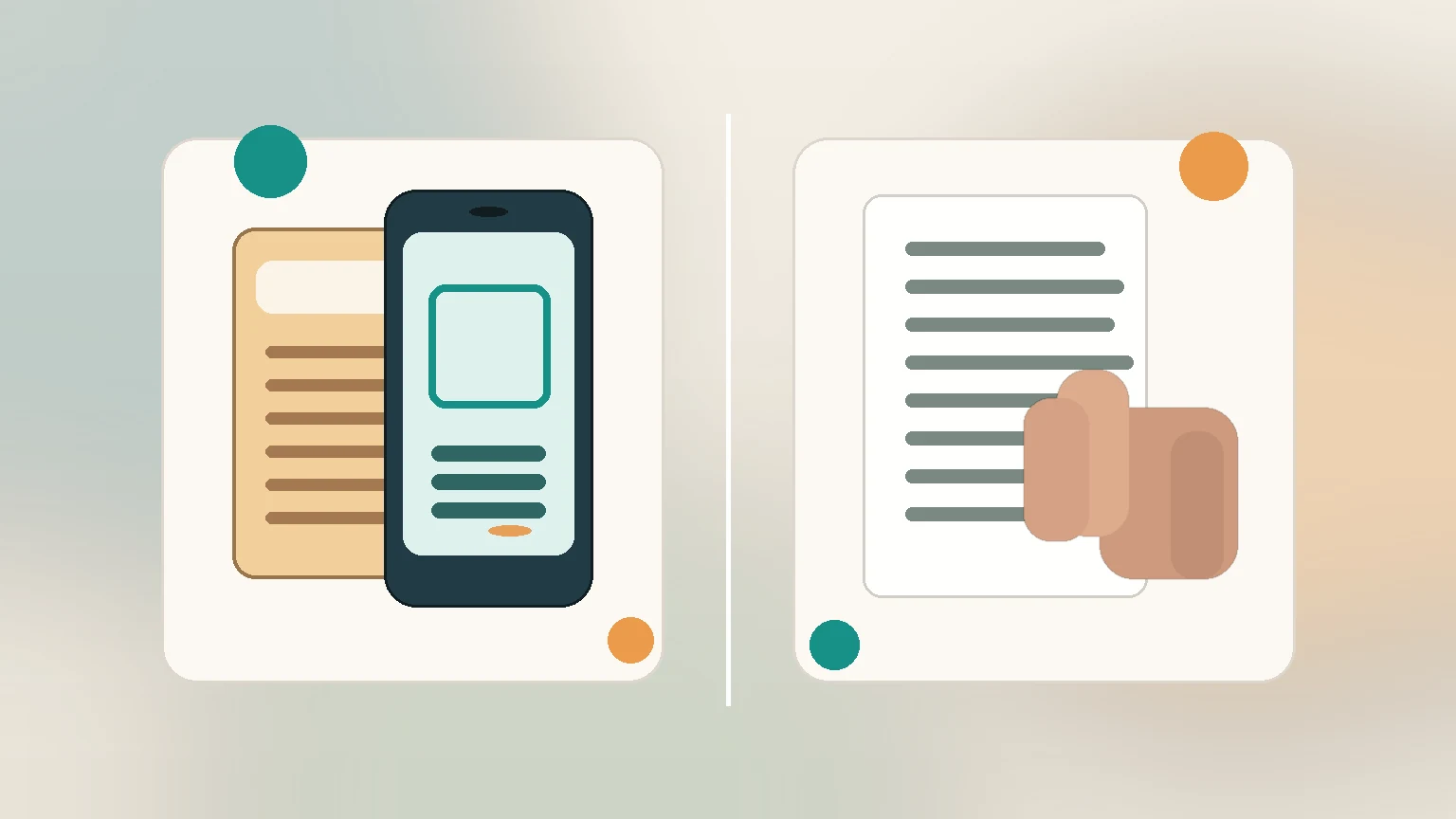
An ingredient label scanner is better when you need a fast first pass or a quick side-by-side comparison, but reading labels yourself is still better when allergies, ingredient priorities, or product context matter more than speed.
If you want the short version, use a scanner to narrow your attention and use your own eyes to confirm what matters most. That gives you the speed advantage of a tool without pretending the tool can replace judgment.
The real choice is not scanner or manual reading forever. It is which one should lead for the decision you are making right now.
Quick answer: when each option wins
| Situation | Better first move | Why |
|---|---|---|
| You are comparing two similar packaged foods fast | Ingredient label scanner | It reduces friction and helps you spot differences faster. |
| You have allergies or ingredients you strictly avoid | Reading labels yourself | You need the exact label, not a summary. |
| You are tired of decoding long labels in the aisle | Ingredient label scanner | It gives you a practical first pass. |
| You are deciding whether a product fits your own standards | Both together | The scan saves time, then your review confirms the final call. |
What an ingredient label scanner does better
An ingredient label scanner is strongest when the job is speed, comparison, or consistency.
It helps because most shoppers are not confused by one ingredient. They are overloaded by a long list, a rushed shopping trip, and several similar products that all make the same health claims. A scanner cuts through that noise faster than manual reading alone.
Use a scanner first when you want to:
- compare two versions of the same product quickly
- spot whether a label is more complex than expected
- notice ingredients or patterns that deserve a second look
- make the same kind of decision more consistently over time
That makes a scanner especially useful for products like sauces, bars, frozen meals, cereals, and snacks, where the packaging often does more talking than the ingredient list.
What reading labels yourself does better
Reading the label yourself is better when precision matters more than speed.
A scanner can summarize, highlight, or flag, but it does not know your exact tolerance for tradeoffs. It cannot fully understand your allergies, your budget, your reasons for buying the item, or how strict you want to be with certain ingredients.
Manual label reading is the safer first move when:
- you need to verify an allergen or ingredient you always avoid
- you are buying something for a child, partner, or guest with specific needs
- the product category matters a lot to you and you want the exact wording
- the scan result feels too broad, too vague, or too confident
If the consequence of getting it wrong is high, slow down and read the label directly.
The biggest mistake in this comparison
The most common mistake is treating an ingredient label scanner like a replacement for reading.
That usually backfires in two ways. Some people trust the tool too much and skip the actual label when they should not. Others distrust the tool completely and miss the fact that it can still save them time on routine comparisons.
A better standard is simpler: let the scanner help you see faster, then let your own priorities decide.
When the scanner should lead
Let the scanner lead when the shopping task is mainly about filtering.
Examples:
- You are choosing between two pasta sauces and want the one with the simpler ingredient list.
- You are scanning several granola bars and only need to know which options deserve a closer look.
- You already know your basic standards and want a faster way to apply them.
In these cases, the scanner is doing what tools do best. It shortens the path between confusion and a workable shortlist.
When manual reading should lead
Let manual reading lead when the shopping task is mainly about verification.
Examples:
- You need to confirm whether a product contains a specific additive.
- You are checking a label because a health claim on the front seems misleading.
- You want to understand what the product is mostly made from, not just whether it was flagged.
Here, the point is not speed. The point is confidence.
The best practical workflow is both, in order
For most people, the most useful workflow is not choosing one side forever. It is using both in the right order.
1. Scan first
Start with the ingredient label scanner when you want a fast read on what stands out.
2. Read the first few ingredients yourself
This tells you what the product is mostly built from and keeps you grounded in the actual label.
3. Check any personal deal-breakers
If you have ingredients you always avoid, verify them directly instead of relying on the summary.
4. Compare one realistic alternative
This keeps the decision practical. You do not need to rank the whole store. You only need to choose better between the products you would actually buy.
5. Make the call and move on
The goal is not endless ingredient analysis. The goal is a clearer decision with less mental friction.
So which is better overall?
If your main problem is speed, an ingredient label scanner is better.
If your main problem is accuracy for a high-stakes choice, reading labels yourself is better.
If your real goal is making calmer, more consistent food decisions, the best answer is both: scanner first, manual check second.
That is also where a tool like OkayDiet fits best. It can help surface what stands out so you do not start from zero every time, while still leaving the final decision in your hands.
Bottom line
Ingredient label scanners are better at fast comparison. Reading labels yourself is better at exact verification. Most shoppers do best when they use the scanner to narrow attention and the label itself to confirm the final choice.
That approach is faster than manual reading alone and more reliable than blind trust in an app. It gives you what you actually need in the grocery aisle: a decision you can make quickly and feel good about later.
Eat cleaner without decoding every label.
Scan an ingredient label, see what stands out, and make the clean eating call in seconds.